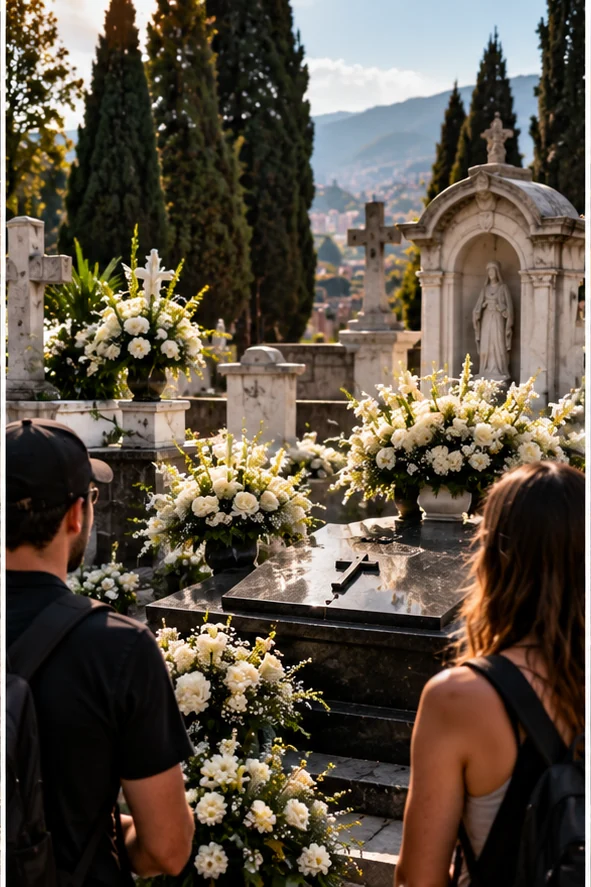
Pablo Escobar’s grave and Parque de la Inflexión can both appear on history itineraries, but they ask visitors to think about the past in opposite ways. One centers a single individual. The other is connected to a public effort to remember the violence and victims of the era.
A grave naturally centers the person buried there
That can make the stop feel biographical or even devotional depending on the guide and visitor behavior. If you go, remember that a cemetery is also a functioning place of mourning for other families.
Parque de la Inflexión changes the frame
The park occupies the former Monaco building site and is presented within Medellín’s broader memory-and-transformation tourism. The emphasis is not celebrity; it is collective memory and a city trying to decide what should replace a symbol of cartel power.
Doing both exposes the tension in narco tourism
One stop shows how easily tourism can orbit a notorious personality. The other asks visitors to widen the frame to victims and consequences. That tension is worth discussing rather than hiding.
A good guide should explain why the stops feel different
If a tour treats both locations as equivalent photo opportunities, it is leaving the most interesting part of the story untouched.
Compare the listing, not just the headline.
Availability, price, inclusions, meeting points and policies can change. Use the current activity page as the source of truth before paying.
Affiliate disclosure: booking links may earn us a commission at no added cost to you.